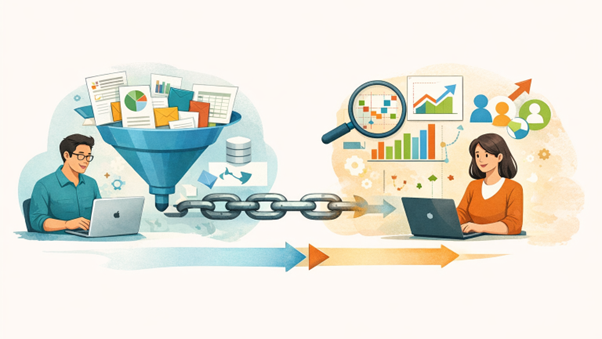
Artificial intelligence (AI) has entered a new phase across Southeast Asia and the Asia–Pacific (APAC) region. What was once limited to isolated experiments is now evolving into enterprise-wide operational transformation. For business leaders today, the key question is no longer whether AI should be adopted, but how it can be embedded responsibly and strategically to deliver sustainable business value.
Insights from BCG, McKinsey, and regional AI reports suggest that Southeast Asia is not merely catching up with global trends. Instead, it is emerging as one of the most dynamic regions for AI adoption—driven by digital-first markets, competitive pressure, and a rapidly evolving workforce.
1. The Current State of AI Adoption in Southeast Asia and APAC
APAC leads global AI usage in the workplace
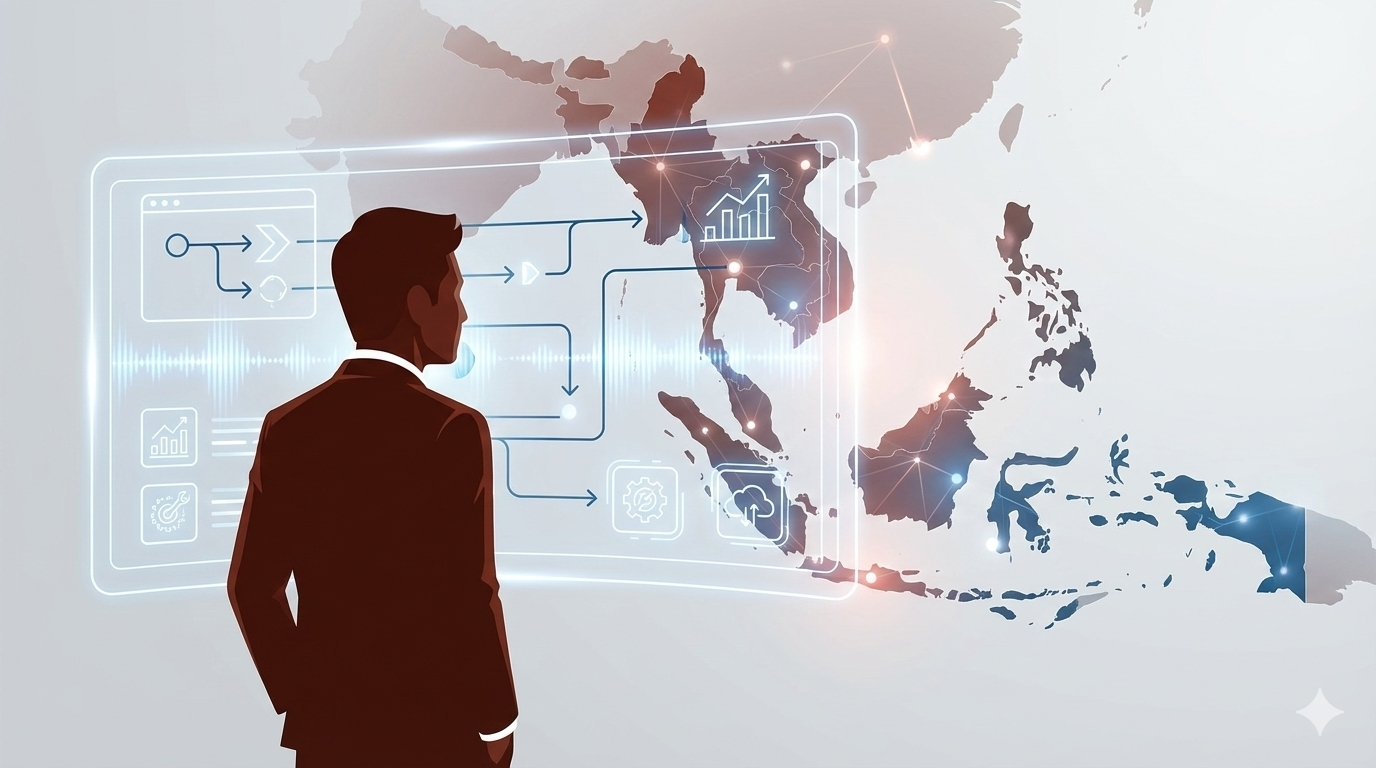
According to BCG’s recent research, APAC records a higher proportion of employees using AI at work compared to the global average. Notably, AI adoption is not confined to technology teams or senior leadership. Frontline employees—those directly involved in operations and customer interactions—are among the most active users.
This reflects a broader regional characteristic: a strong openness to new technologies, combined with operational pressures that encourage rapid productivity gains.
The gap between AI usage and true AI transformation
High usage, however, does not automatically translate into meaningful transformation. BCG highlights a growing gap between informal, individual AI usage and structured, organization-wide AI integration. Many employees rely on external AI tools independently, creating what is often referred to as “shadow AI.”
While this behavior can improve short-term efficiency, it also introduces risks related to data security, compliance, and consistency. Lasting value from AI only emerges when usage is supported by redesigned workflows and clear governance frameworks.
2. How AI Is Reshaping Core Business Operations
2.1. Redefining key business functions
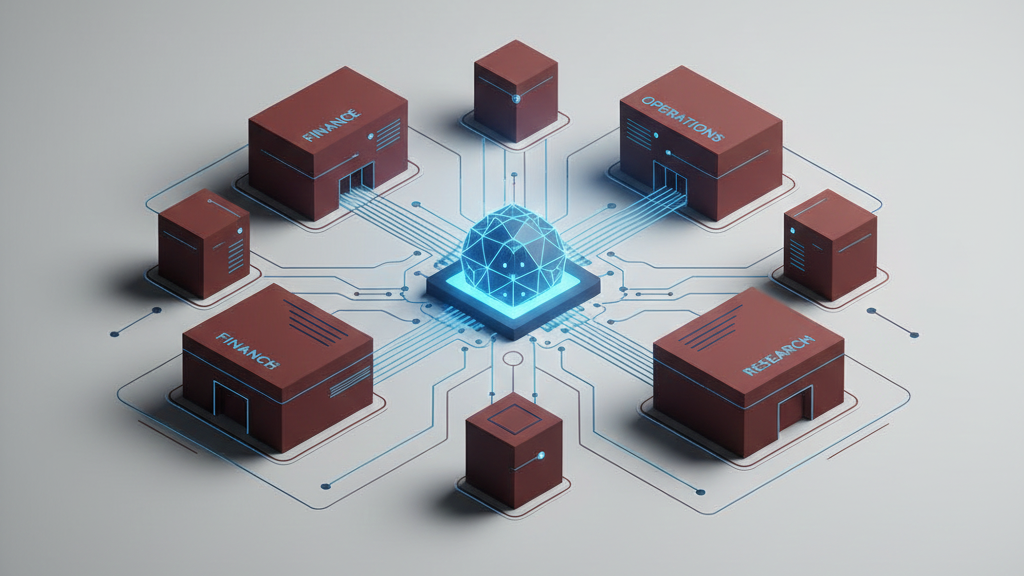
Research from CORPZZY shows that AI is increasingly embedded across traditional business functions, including:
- Finance and accounting: automated document processing, reconciliation, and real-time analytics
- Human resources: AI-powered internal chatbots, candidate screening, and learning support
- Legal and compliance: contract review, risk detection, and document standardization
- Customer support: AI assistants handling routine inquiries and improving response times
Across these functions, AI is not primarily replacing human roles. Instead, it is augmenting operations by reducing repetitive tasks and increasing organizational agility.
2.2. Freeing human capacity for higher-value work
One of AI’s most tangible benefits is its ability to release human capacity. By automating routine activities, employees can focus on work that requires judgment, creativity, and strategic thinking.
CORPZZY emphasizes that many organizations are already witnessing a shift in employee roles—from execution-focused tasks to oversight, analysis, and continuous optimization. This transition positions AI as a productivity multiplier, rather than a standalone efficiency tool.
3. Workforce Impact and the Need for Upskilling
AI as a force for job transformation, not elimination
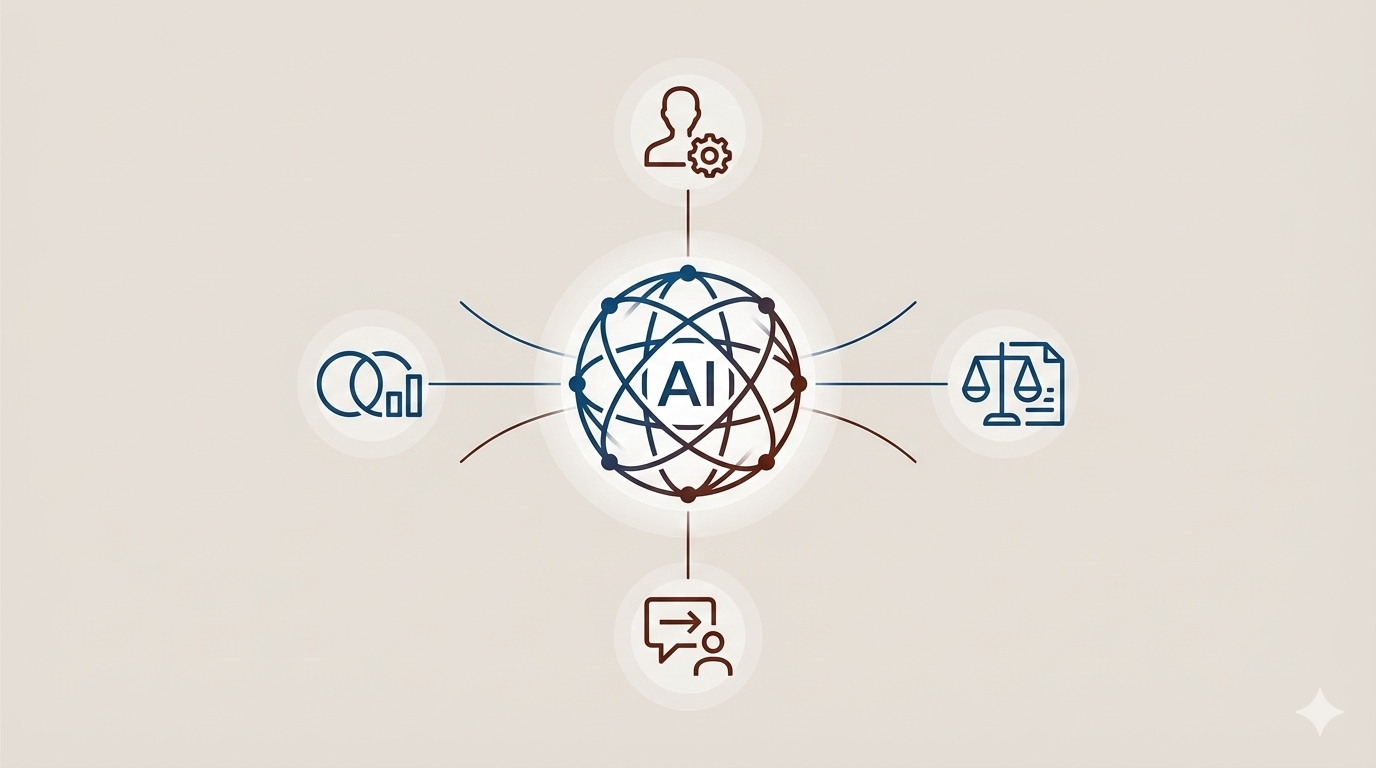
Concerns around job displacement often accompany discussions of AI adoption. However, evidence from Southeast Asia suggests a more nuanced reality. AI is changing the nature of work, rather than simply eliminating roles.
Junior and mid-level positions, in particular, are evolving toward higher-value responsibilities such as analysis, internal consulting, and cross-functional collaboration.
The rise of hybrid skills
This shift creates an urgent need for upskilling and reskilling strategies. Organizations must invest in developing:
- Critical thinking and problem-solving capabilities
- Foundational AI and data literacy
- The ability to collaborate effectively with automated systems and AI agents
BCG underscores that workforce development must progress in parallel with technology deployment for AI transformation to succeed.
4. Governance and Risk in Enterprise AI Deployment
Rapid adoption brings new risks
As AI becomes more widely used, organizations face growing risks related to:
- Data privacy and security
- Algorithmic bias and transparency
- Regulatory compliance
- Accountability in AI-assisted decision-making
BCG cautions that unmanaged AI adoption can undermine trust and expose organizations to significant operational and reputational risks.
Responsible AI as a strategic differentiator
In response, leading organizations in APAC are embedding Responsible AI principles directly into system design and implementation. Governance, ethics, and security are no longer treated as afterthoughts, but as foundational elements of AI strategy.
In this context, responsible AI practices are increasingly viewed not only as a compliance requirement, but as a competitive advantage.
5. AI as a Strategic Growth Engine for Southeast Asia

McKinsey’s analysis of rising Asian global players highlights AI as a critical enabler of scale, efficiency, and business model innovation. Southeast Asia benefits from a young, digitally engaged population and rapidly expanding digital infrastructure.
When AI is strategically integrated into operations, organizations in the region can move beyond incremental efficiency gains and compete more effectively on a global stage.
6. Conclusion: Moving from AI Adoption to AI Transformation
AI transformation in Southeast Asia is no longer a future ambition—it is an active, ongoing shift. However, the true value of AI lies not in isolated adoption, but in holistic transformation that aligns technology, people, and governance.
To succeed, organizations must:
- Move from fragmented AI usage to integrated operational workflows
- Invest in workforce readiness alongside technology
- Establish strong foundations for responsible and scalable AI
At Digityze Asia, we believe AI delivers meaningful impact only when technical excellence is combined with thoughtful, context-driven creativity. As a company bridging engineering and creative strategy, we work alongside organizations in Southeast Asia and global markets to design AI roadmaps that are practical, responsible, and aligned with real business objectives.