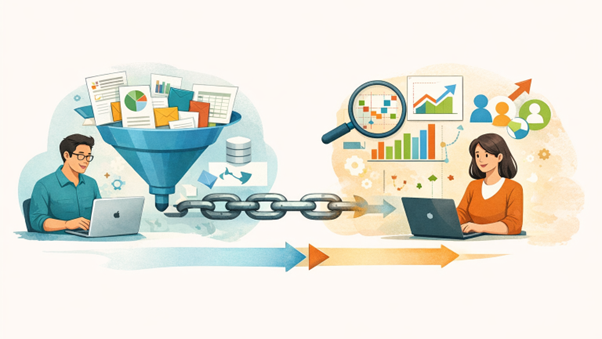
Protecting your business in the digital age
In the digital era, cybersecurity risks are no longer the sole responsibility of IT departments. Cyber risk management tools (CRM) enable businesses to proactively identify, assess, and control cyber risks, helping safeguard data, operations, and brand reputation in a sustainable way.
I. Cyber risk management in the digital era
Digital transformation is accelerating rapidly in Vietnam and across the globe. Businesses increasingly rely on digital systems such as customer data platforms, e-commerce solutions, CRM systems, marketing automation, cloud infrastructure, and application programming interfaces (APIs) that connect multiple platforms.
However, alongside growth opportunities come increasingly complex cybersecurity risks. The reference articles highlight that cyberattacks are no longer limited to large enterprises; small and medium-sized businesses are also becoming frequent targets, especially those with unstandardized security frameworks.
As a result, cyber risk management is no longer optional. It has become a critical component of operational strategy and sustainable business growth in the modern digital landscape.
II. What cybersecurity risks are businesses facing today?

Network security issues that businesses are facing
1. Data breaches and loss of business-critical information
According to industry analyses, data is one of the most valuable digital assets for any organization. Attacks such as malware infections, phishing schemes, and unauthorized access can lead to the loss of customer data, internal information, or financial records.
The consequences go beyond financial damage, often causing severe harm to brand reputation and market trust.
2. Operational and system disruptions
Ransomware attacks or distributed denial-of-service (DDoS) incidents can disrupt websites, internal systems, or sales platforms. For businesses that rely heavily on digital channels, even a few hours of downtime can result in significant losses.
3. Compliance and legal risks
Data protection regulations are becoming increasingly stringent worldwide. Failure to manage cybersecurity risks effectively may expose businesses to legal disputes, regulatory penalties, or compliance violations.
4. Human factors in cybersecurity
Many reference sources emphasize that people remain the weakest link in cybersecurity. Employees with limited security awareness, weak password practices, or unsafe system access behaviors can easily become entry points for cyber incidents.
III. What are cyber risk management tools and why do businesses need them?
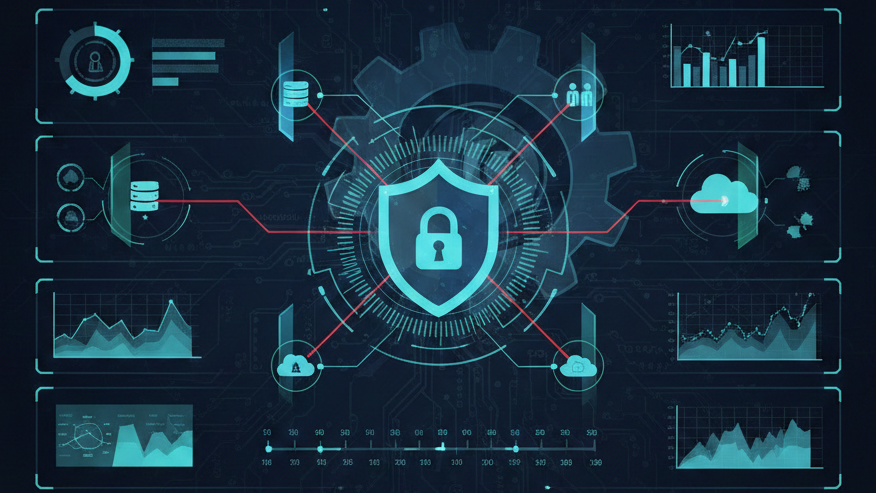
Công cụ quản lý rủi ro mạng mà doanh nghiệp cần phải có
Cyber risk management tools are a collection of platforms and solutions designed to help businesses:
- Identify potential cybersecurity risks
- Assess impact severity and likelihood
- Monitor systems in real time
- Support decision-making and rapid incident response
Unlike standalone security solutions, cyber risk management tools provide a holistic and proactive approach, allowing organizations to gain a comprehensive view of their digital security posture.
For marketers and business leaders, these tools serve as a foundation to ensure that marketing operations, sales activities, and customer data are managed within a secure digital environment.
IV. Common categories of cyber risk management tools

Sơ đồ phát hiện lỗ hổng bảo mật trong hệ thống doanh nghiệp
1. Risk assessment and vulnerability detection tools
These tools help businesses scan systems, identify security vulnerabilities, and uncover potential weaknesses. As highlighted in the reference materials, regular assessments enable organizations to address risks proactively before they are exploited.
2. Security monitoring and alerting tools
This category continuously monitors system activities, detects abnormal behavior, and provides early warnings. Such capabilities are particularly critical in digital environments that operate 24/7.
3. Identity and access management tools
Access control reduces internal security risks by ensuring that users only have permissions appropriate to their roles. Reference articles stress that clear authorization policies and multi-factor authentication are essential foundations of effective cyber risk management.
4. Incident response and recovery tools
When incidents occur, response speed directly affects the scale of damage. Cyber risk management tools help businesses establish response scenarios, minimize downtime, and restore systems efficiently.
V. Practical benefits of implementing cyber risk management tools
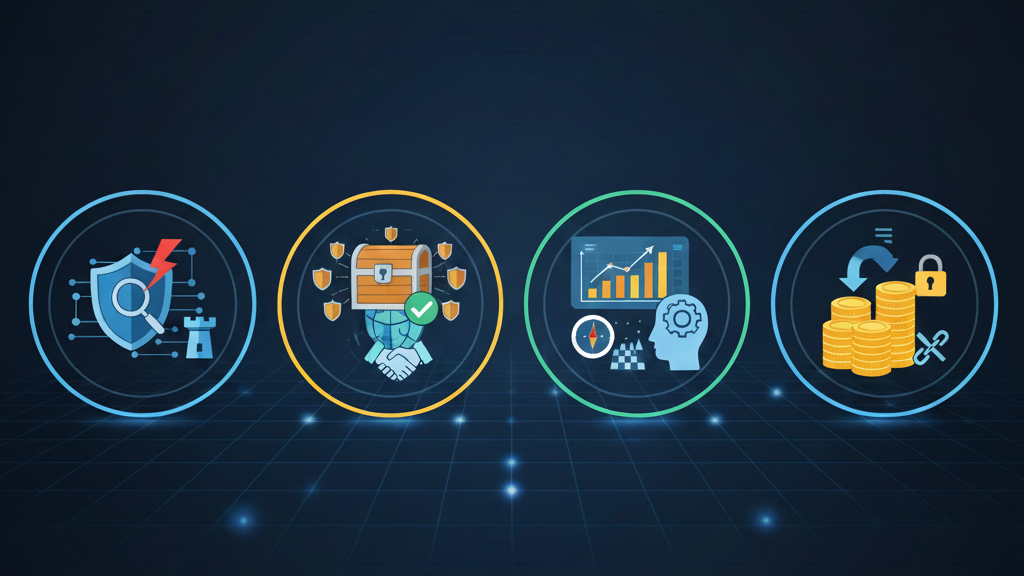
Lợi ích thực hiện triển khai công cụ CRM
1. Proactive rather than reactive risk management
Businesses no longer wait for incidents to occur before taking action. These tools enable early detection and prevention at the source.
2. Protecting data and brand reputation
Data security directly supports customer trust, which is a critical success factor in today’s competitive digital markets.
3. Supporting strategic decision-making
With clear dashboards and security insights, executives and marketing teams can confidently make decisions related to product development, marketing campaigns, or system expansion.
4. Long-term cost optimization
As emphasized in the reference analyses, early investment in cyber risk management helps reduce the long-term costs associated with incident recovery and operational disruptions.
VI. Where should businesses begin?
To implement effective cyber risk management, businesses should:
- Assess current systems and existing risk levels
- Define security objectives aligned with their business model
- Select tools that integrate seamlessly with existing infrastructure
- Combine technology deployment with cybersecurity awareness training for employees
Most importantly, organizations should prioritize solutions that integrate technical expertise with strategic thinking, rather than focusing solely on isolated technologies.
Conclusion
In the digital era, cyber risk management tools are not merely technical safeguards. They form a strategic foundation that enables businesses to operate securely, grow sustainably, and build lasting market trust.
At Digityze Asia, we approach cybersecurity risk management by combining technical solutions with creative and strategic thinking. This balanced approach empowers businesses not only to defend against cyber threats but also to move forward confidently in an ever-evolving digital environment.
If you’re looking for a cybersecurity approach that aligns with your business and marketing strategy, Digitize Asia is ready to partner with you.