Why Change Management is Key When Implementing New Technology
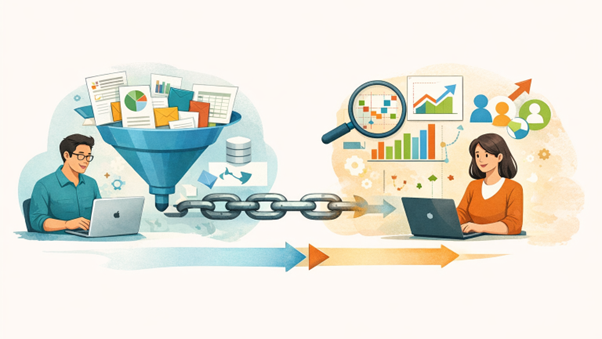
In an increasingly digital environment, new technology is not just a supporting tool but also transforms the way organizations operate, make decisions, and deliver customer experiences. However, data from Somera & Petrova (2024) indicate that 60–70% of technology implementation projects fail due to human factors and change management, rather than technology misfit.
The main causes include:
- Lack of awareness of the need for change
- Employees unprepared mentally and skill-wise
- Lack of communication strategy and stakeholder engagement
Additional studies (Phillips, 2022; Lu, 2024) emphasize that communication, stakeholder engagement, leadership, and organizational culture are key factors. At the same time, digital technologies such as AI, Big Data, and IoT not only improve operational efficiency but also drive strategic changes in internal structures and processes.
Insight: Change management is no longer optional but a survival factor for organizations to successfully adopt technology.
DEAC Framework – A Roadmap for Effective Technology Implementation
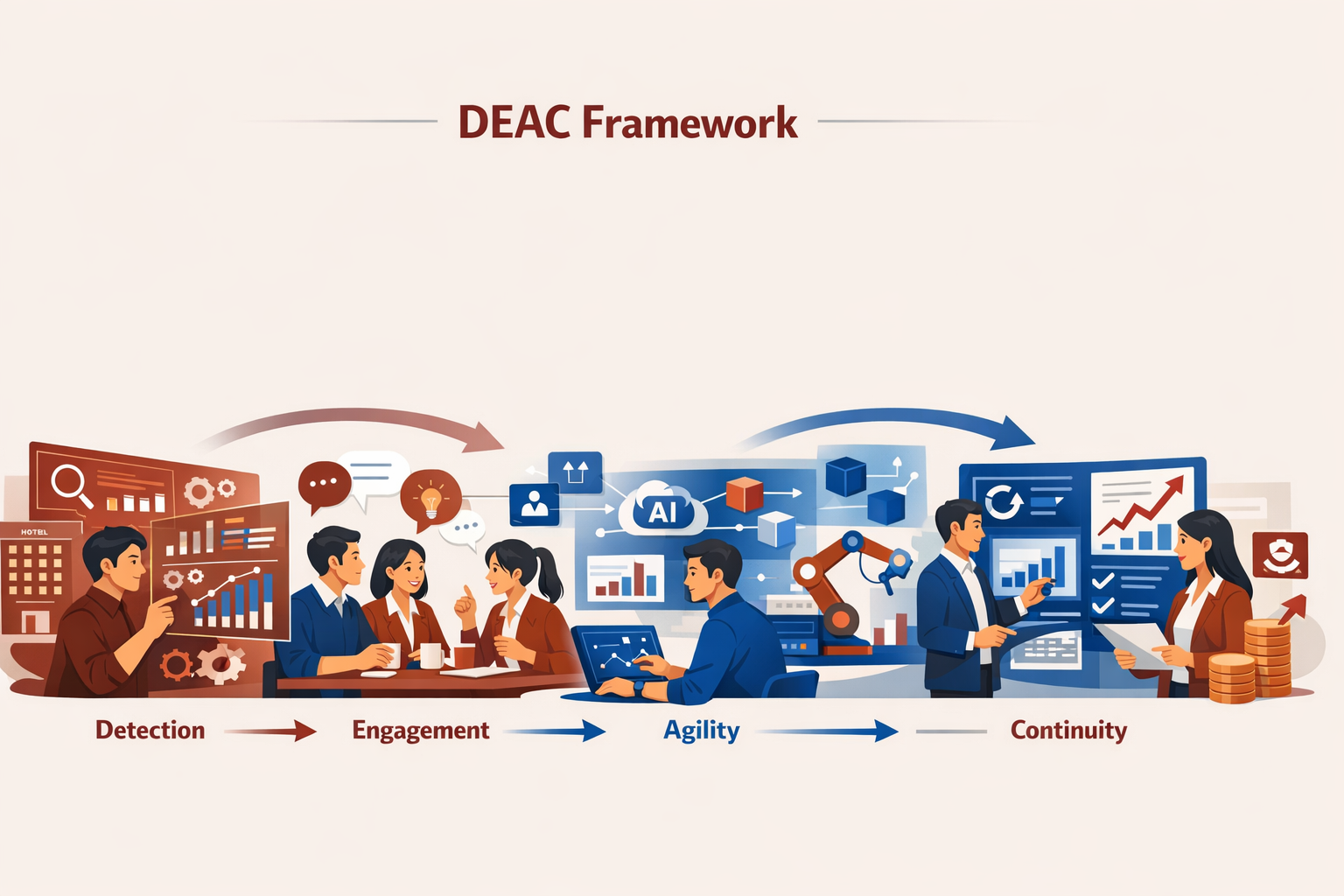
The DEAC framework is a powerful theoretical model that helps organizations implement technology in a structured, feasible, and sustainable way.
a. Detection – Identifying Technology Needs and Opportunities
The first stage focuses on analyzing the organization’s technology needs. According to Somera & Petrova, detailed needs assessment helps determine priorities, budgets, and required personnel.
Case study: Hotel A implemented an automated room service management system. By clearly identifying customer needs and internal processes, they optimized implementation and reduced employee training time.
b. Engagement – Creating Employee Participation and Commitment
New technology adoption often faces resistance from employees or middle management. Secondary source 1 highlights the importance of communication and stakeholder involvement.
- Engaging relevant departments helps identify potential barriers and increase technology acceptance.
- Encourage continuous feedback and build a shared vision of technology benefits.
c. Agility – Flexibility to Adapt Quickly to Change
Digital technology requires organizations to be agile and quickly adapt to changes. The DEAC framework recommends:
- Adjust processes based on real-world implementation feedback
- Pilot small-scale solutions before scaling
- Integrate AI and Big Data to support data-driven decision-making
Secondary source 2 shows that organizations that adapt quickly tend to reduce failure risks and optimize operational efficiency.
d. Continuity – Maintaining and Developing Technology Value
Once technology is implemented, sustaining its effectiveness is a determinant of long-term success.
- Organizational culture and leadership are foundational to maintaining technology.
- According to Somera & Petrova, continuous training and process updates help organizations fully leverage new technologies.
Change Management Strategies for Successful Technology Implementation
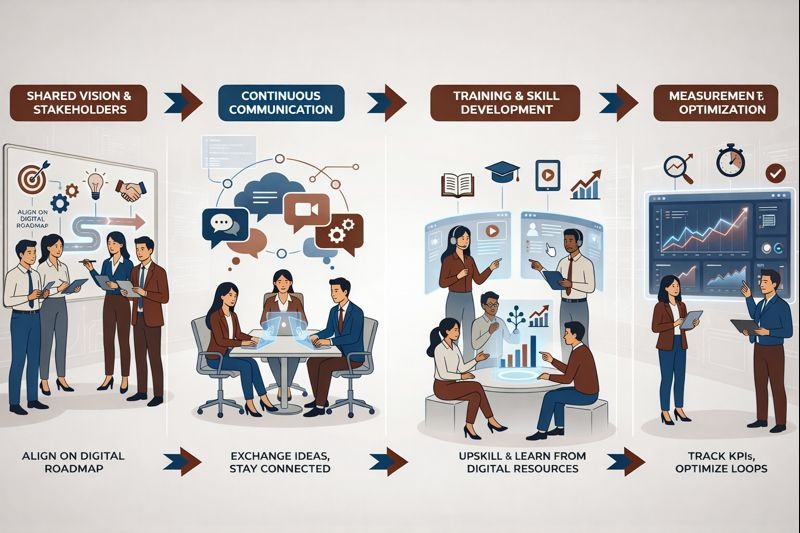
Combining the DEAC framework with strategies from Phillips (2022), practical steps include:
- Identify stakeholders and establish a shared vision
- Continuous communication: update progress and listen to feedback
- Training & skill development: reduce resistance and enhance digital capabilities
- Measure & adjust: use data to optimize implementation
Case study: Hotel B applied the DEAC framework combined with engagement strategies. They implemented new technology in phases, continuously measured and adjusted. Results: booking efficiency increased by 30%, customer complaints decreased, and employees actively participated in process improvements.
Challenges and Opportunities in Digital Technology Adoption
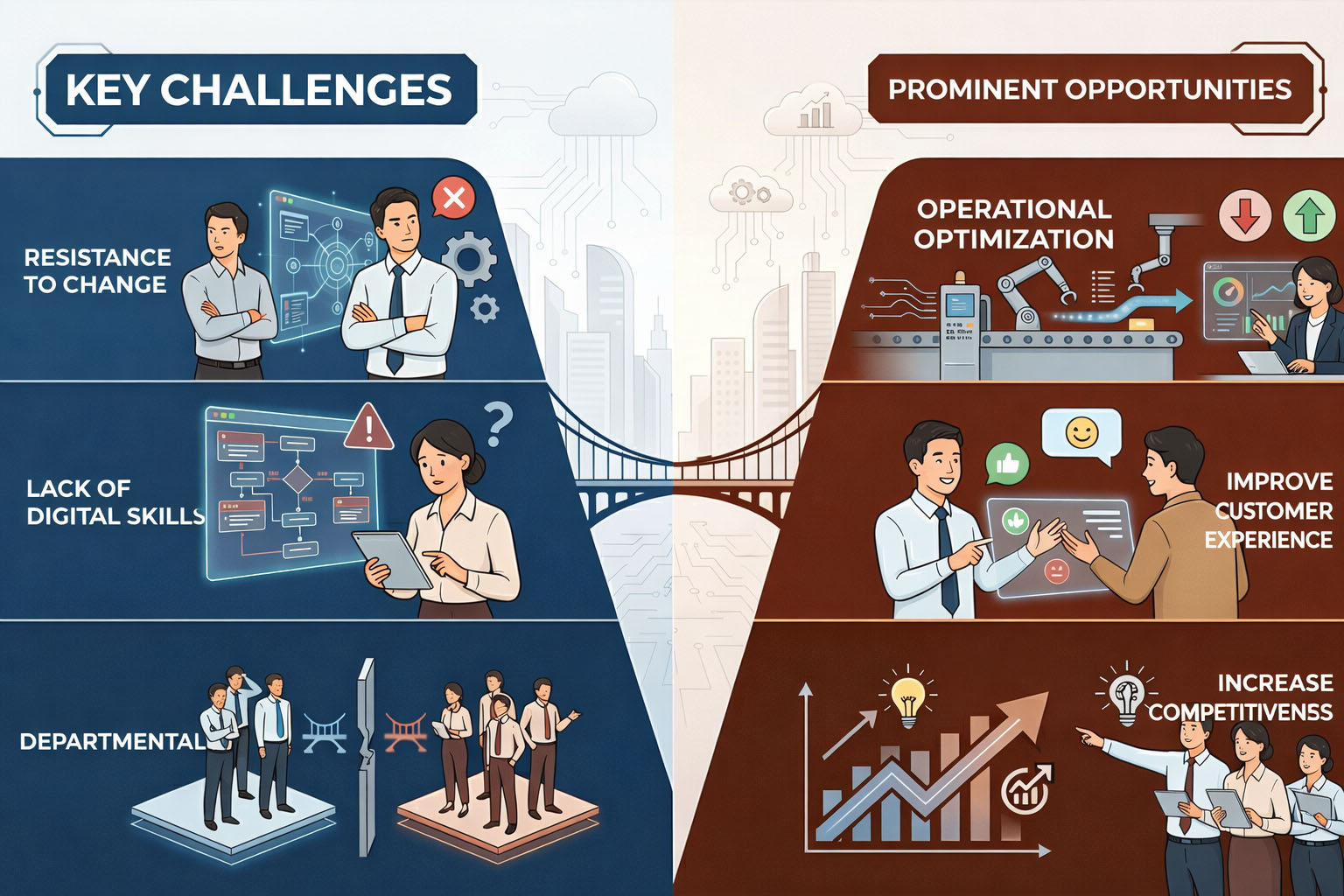
a. Key Challenges
- Employee resistance to change
- Lack of digital skills and technology knowledge
- Technology adoption gaps across departments
b. Key Opportunities
- Optimize operations and reduce costs
- Improve customer experience
- Enhance competitiveness through digital innovation
Conclusion and Strategic Direction
Effective change management is a decisive factor for organizations to successfully implement new technology. The DEAC framework combined with practical strategies helps organizations:
- Accurately identify needs
- Engage employees and leadership
- Be flexible in implementation
- Sustain and develop technology effectively
Organizations seeking strategic, innovative, and efficient technology adoption can collaborate with Digityze Asia, which combines technical expertise and creativity to optimize change management and enhance organizational digital capabilities.