
Private generative AI enables enterprises to control data, models, and AI-driven experiences
Generative AI is rapidly becoming a new source of competitive advantage for enterprises, especially in marketing and personalized customer experiences. Instead of relying entirely on public AI models, many organizations are now choosing to build Private Generative AI Models to gain better control over data security, customization, and performance. This article provides a practical and business-oriented overview of how to build and customize a private generative AI model for enterprise use.
I. Overview of Generative AI in enterprises
1. What is Generative AI?
Generative AI refers to a class of artificial intelligence models capable of creating new content such as text, images, source code, or synthetic data based on training data. Common examples include Large Language Models (LLMs), image generation models, and multimodal systems.
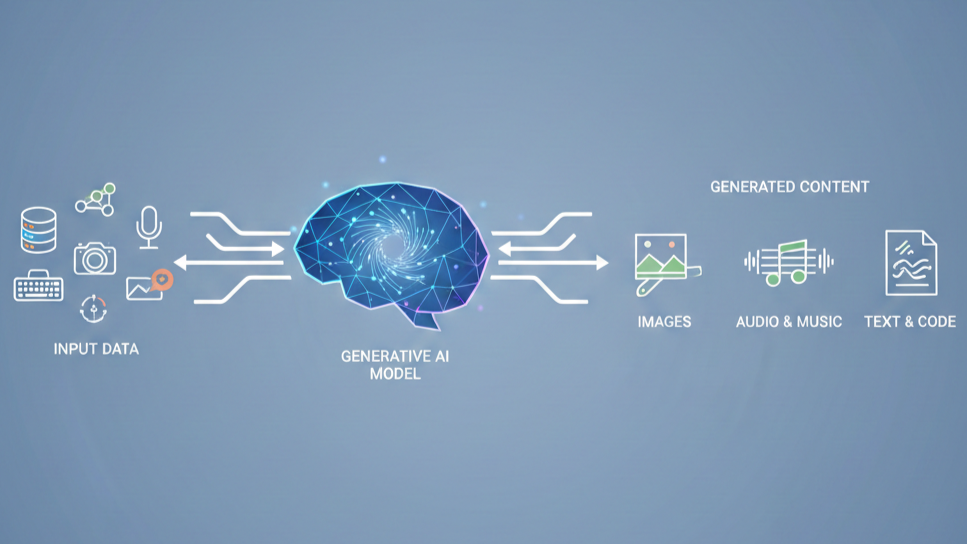
Generative AI learns from data and generates new content.
2. Why Generative AI matters to enterprises
In real-world deployments, generative AI has demonstrated clear value for enterprises by enabling them to:
- Accelerate marketing content production
- Personalize customer experiences at scale
- Automate internal workflows
- Unlock value from existing data assets
However, when using public AI models, organizations often face challenges related to data security, limited customization and a lack of alignment with specific business contexts.
II. What is a Private Generative AI model and why enterprises should build one
1. Definition of a Private Generative AI Model
A private generative AI model is deployed within an organization’s own environment, leveraging internal data and customized to meet specific business requirements. Enterprises retain full control over the lifecycle of data, models, and AI-powered applications.
2. Differences between public AI and private AI
| Criteria | Public AI | Private AI |
| Data | Shared or public data | Enterprise-owned data |
| Security | Dependent on providers | Fully controlled internally |
| Customization | Limited | Highly flexible |
| Applications | General-purpose | Industry- and context-specific |
3. Strategic benefits for marketing and business
- Protect customer and business-critical data
- Personalize marketing messages by audience segments
- Enable sales, marketing, and customer service through internal AI assistants
- Build long-term AI capabilities instead of relying on external platforms
III. Overall architecture of a private generative AI system
1. Data layer
Typical data sources include:
- CRM, CDP, and marketing automation data
- Internal documents, FAQs, sales scripts
- Customer behavior data
Data must be cleaned, categorized, and enriched with metadata before being used by AI systems.
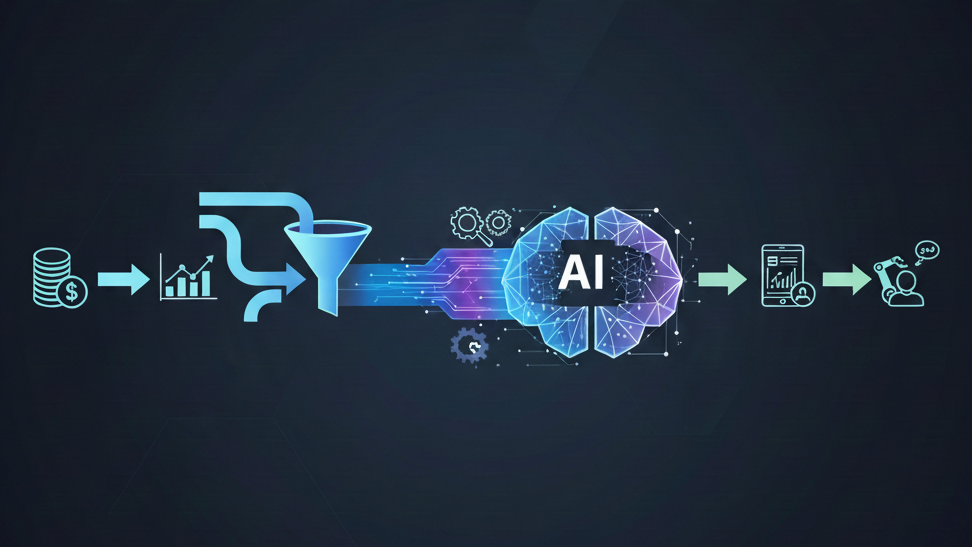
Data is the foundation of Private Generative AI
2. Model layer
Enterprises may:
- Fine-tune foundation models using internal data and business context
- Apply Retrieval-Augmented Generation (RAG) to integrate internal knowledge sources
- Control prompt design and content generation workflows
3. Application layer
This is where AI is deployed into real-world use cases, such as:
- Internal chatbot
- Content marketing support tools
- AI-powered data analysis assistants
IV. Process for building and customizing a Private Generative AI Model
1. Define business objectives
Enterprises should clearly identify:
- What problems AI is expected to solve?
- Who the users are? (marketing, sales, operations)
- How will success be measured?
2. Data preparation and governance
To ensure effectiveness and stability, enterprise data should:
- Be standardized and well-structured
- Have clear access controls
- Comply with security and regulatory requirements
3. Model selection and customization strategy
Organizations may choose to:
- Fine-tuning models for specialized business contexts
- Use RAG to reduce costs and improve accuracy
- Combine multiple models for different use case
4. Testing, evaluation, and optimization
Models should be:
- Evaluated for output quality
- Continuously improved through prompt and data refinement
- Monitored for long-term performance
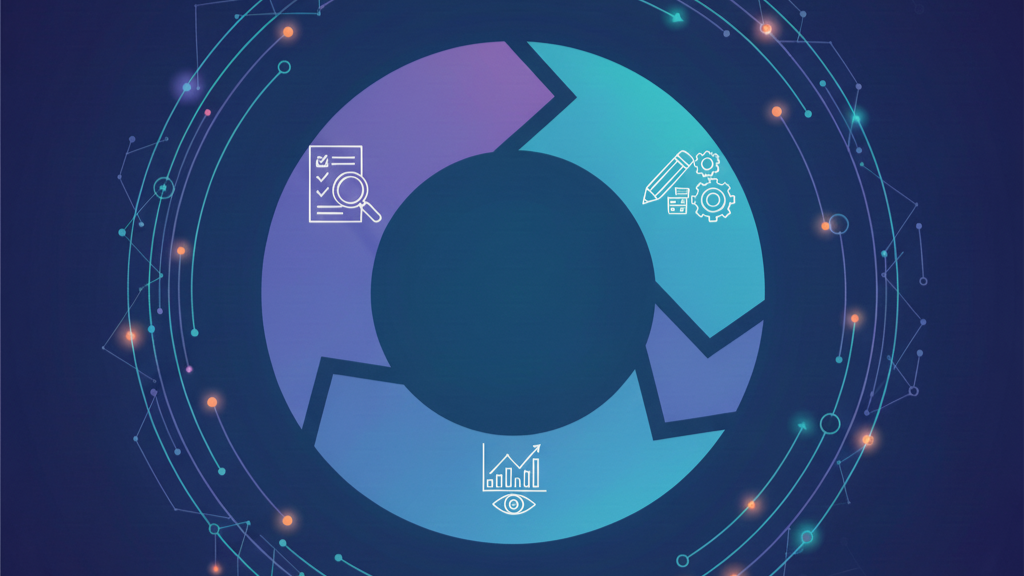
Building AI is a continuous process.
V. Practical applications in marketing and operations
1. Marketing and content
- Generate content aligned with brand voice
- Personalize emails and landing pages
- Support deeper customer insight analysis
2. Sales and customer support
- AI assistants responding based on internal knowledge
- Sales script recommendations
- Support onboarding and training for new employees
3. Analytics and decision-making
- Automated report summarization
- Analysis of unstructured data
- Faster, data-driven decision support
VI. Key challenges enterprises should consider
1. Data quality
AI performance depends heavily on the quality and relevance of input data.
2. Cost and resources
Building private generative AI requires:
- Infrastructure investment
- Skilled technical teams
- A clear implementation roadmap
3. AI governance and ethics
Enterprises should establish:
- AI usage guidelines
- Risk and bias control mechanisms
VII. When should enterprises get started and how to implement effectively
Organizations should consider starting when they:
- Have sufficient, well-structured data
- Prioritize personalization as a strategic objective
- Aim to treat AI as a core business capability
Rather than building everything from scratch, many enterprises choose partners who combine technical expertise with strategic consulting to shorten implementation timelines and reduce risks.
Conclusion
Private generative AI models are not just a technology trend but a strategic lever that enables enterprises to take control of data, optimize marketing efforts, and improve operational efficiency. When implemented correctly, private AI becomes a long-term asset that delivers sustainable competitive advantage.At Digityze Asia, we combine technical capabilities with creative and strategic thinking to support enterprises from data strategy and AI architecture design to real-world implementation. If you are looking to adopt generative AI in a structured and effective way, Digityze Asia is ready to accompany you on that journey.