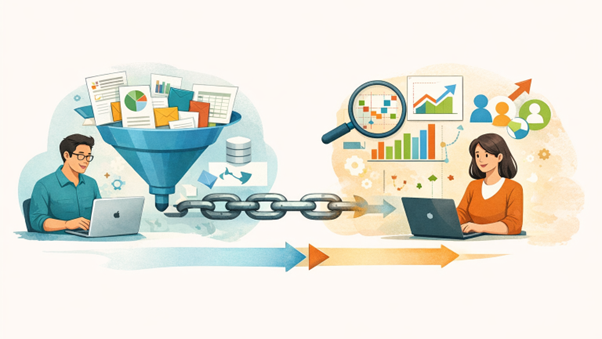
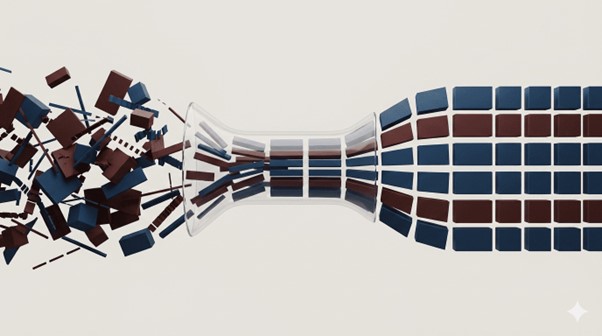
How businesses build sustainable digital commerce toward 2025
SEO Information
Slug: digital-strategy-b2b-b2c-ecommerce-retail
Meta description: An in-depth analysis of Digital strategies for B2B and B2C E-commerce & Retail, including digital commerce trends, key differences between B2B and B2C, and an execution framework to drive sustainable growth toward 2025.
SEO Keywords
Primary Keyword: Digital Strategy for B2B and B2C
Related Semantic Keywords
- B2B and B2C E-commerce
- E-commerce strategy
- Digital strategy for retail
- Omnichannel retail
- B2B vs B2C marketing
- Digital commerce 2025
What are B2B and B2C in the context of digital commerce?
B2C (Business to Consumer) refers to a business model where companies sell products or services directly to end consumers through channels such as websites, e-commerce marketplaces, social media, and physical stores.
B2B (Business to Business) refers to a model in which companies provide products, solutions, or services to other businesses. This model typically involves more complex purchasing processes, multiple decision-makers, and decisions driven by long-term efficiency and value.
In today’s digital commerce landscape, the difference between B2B and B2C no longer lies in sales channels, but in how experiences, data, and Digital strategies are designed.
Why do businesses need to reassess their Digital strategy for B2B & B2C?
For many years, B2B and B2C were considered two completely separate business models.
- B2C focused on emotions, fast purchasing experiences, and promotional campaigns.
- B2B emphasized long-term relationships, complex buying processes, and rational decision-making.
However, entering the 2024–2025 period, customer behavior has shifted significantly:
- B2B buyers now expect simple, convenient online purchasing experiences similar to B2C
- B2C consumers are increasingly concerned with long-term value, transparency, and brand credibility
This creates a new requirement:
Digital strategies for E-commerce & Retail must be flexible enough to serve both B2B and B2C, rather than treating them as completely separate models.
1. E-commerce & Retail Landscape: The Foundation of Digital Strategy
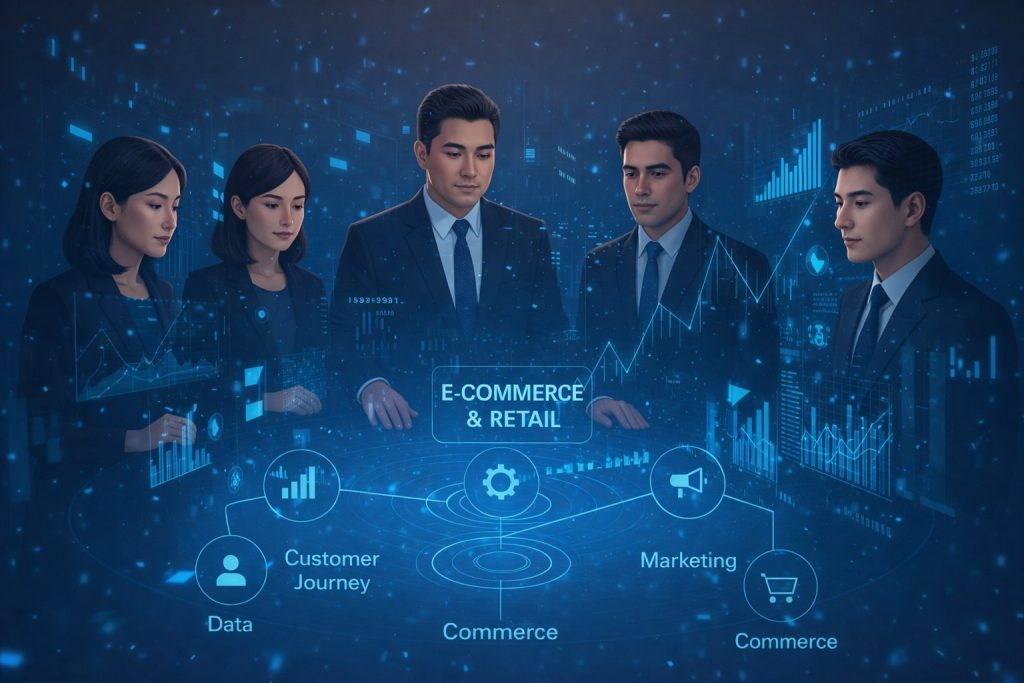
Analysis from Litium shows that E-commerce continues to grow, but competition has intensified. Customers are becoming more digitally mature, while businesses face rising operational and marketing costs.
Common characteristics across both B2B and B2C include:
- Customers proactively research information before purchasing
- Expectations for seamless, transparent digital experiences
- A diminishing distinction between online and offline channels
As a result, Digital strategies for E-commerce & Retail must be built as unified ecosystems rather than disconnected channels.
2. Digital Strategy for B2C E-commerce & Retail
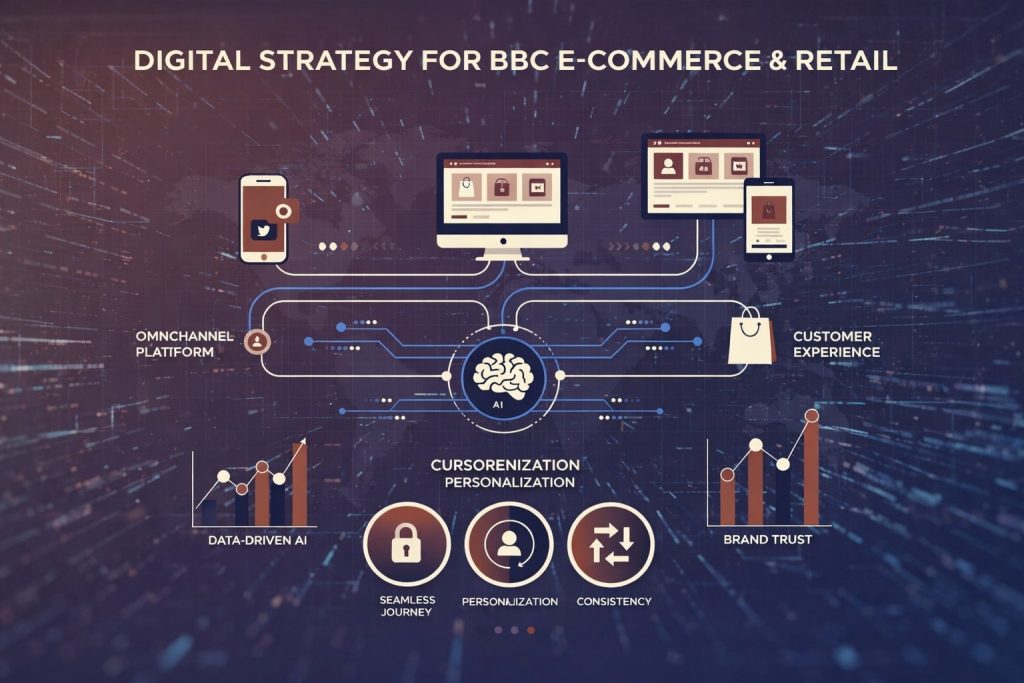
2.1. Customer Experience as a Core Competitive Advantage
According to Litium, modern B2C E-commerce no longer revolves around driving traffic through promotions, but instead focuses on:
- Seamless purchasing journeys
- Personalized content and product recommendations
- Consistency across all touchpoints
Data technology and automation enable businesses to understand user behavior more deeply, improving experiences rather than merely optimizing short-term conversions.
2.2. Omnichannel as a Foundation, Not a Tactic
B2C customers often begin their journey on social media, continue researching on websites, and complete purchases in physical stores or marketplaces.
Therefore, retail Digital strategies must:
- Synchronize product information, pricing, and inventory
- Connect customer data across channels
- Ensure consistent, uninterrupted experiences
2.3. Brand Trust and Sustainability
Litium also highlights that consumers increasingly value:
- Information transparency
- Product origin and sourcing
- Long-term brand values
Digital is not just a sales tool, but a means for brands to build lasting relationships with customers.
3. Digital Strategy for B2B E-commerce
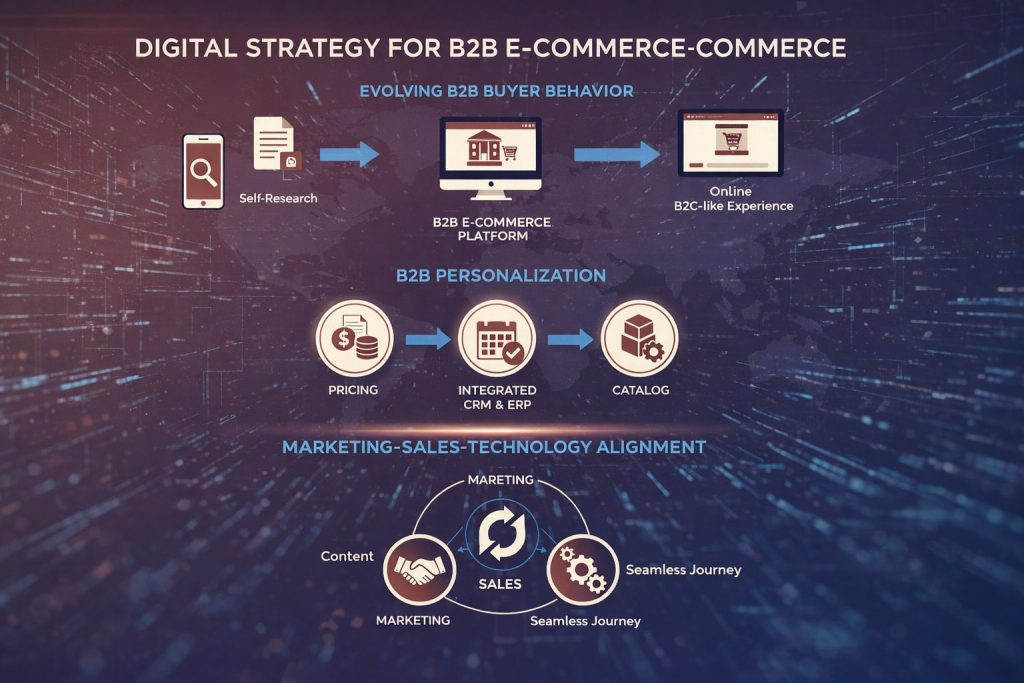
3.1. Changing B2B Buying Behavior
According to VTEX and IMD, today’s B2B buyers:
- Research products independently before engaging with sales
- Expect self-service and online ordering
- Demand digital experiences comparable to B2C
As a result, B2B E-commerce is no longer merely a “corporate website,” but a true sales channel.
3.2. Personalization in B2B: Different from B2C, but Equally Important
VTEX emphasizes that B2B personalization focuses on:
- Customer- or contract-specific pricing
- Customized payment terms
- Industry-specific product catalogs
This requires Digital platforms to be tightly integrated with CRM and sales management systems.
3.3. Alignment Between Marketing – Sales – Technology
IMD points out that the key difference between B2B and B2C lies in longer buying cycles and multiple decision-makers. Therefore:
- Marketing must deliver in-depth, value-driven content
- Sales needs behavioral data to consult more effectively
- Technology acts as the connective layer across the entire journey
An effective B2B Digital strategy reduces friction in the buying process rather than adding complexity.
4. Comparing B2B and B2C Digital Strategies
| Factor | B2C | B2B |
| Buyer | Individual consumers | Businesses |
| Buying cycle | Short | Long, multiple decision-makers |
| Digital focus | Emotion & experience | Value & efficiency |
| Content | Social media, video | Case studies, in-depth materials |
| Digital goals | Conversion & loyalty | Relationships & performance |
Despite these differences, both models require:
- Data as the foundation
- Clear, user-centric experiences
- Flexible Digital systems that can scale
5. A Digital Strategy Framework for B2B/B2C E-commerce & Retail
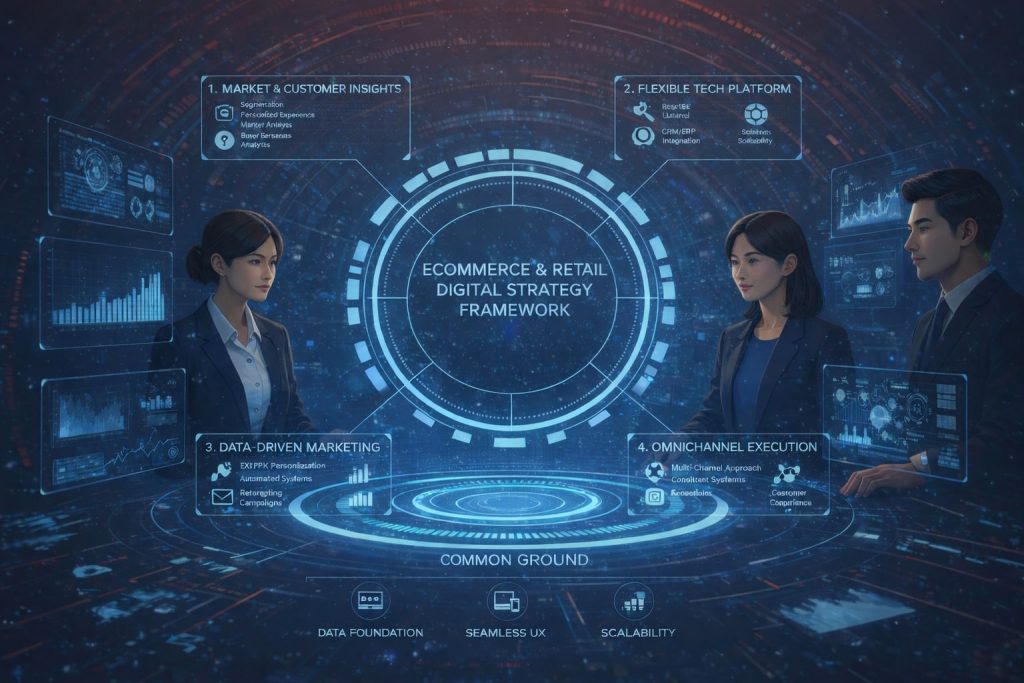
Based on referenced studies, a practical framework consists of four core pillars:
5.1. Understanding the Market and Customers
- Clear segmentation
- Deep understanding of real needs and behaviors
- Avoid intuition-driven Digital execution
5.2. The Right Technology Platform
- E-commerce platforms that support both B2B and B2C
- Ready integration with CRM, ERP, and customer data systems
- Scalable architecture to support growth
5.3. Data-Driven Marketing
- Personalized experiences
- Full customer journey measurement
- Alignment between marketing and sales data
5.4. Meaningful Omnichannel Execution
- Not just multi-channel presence
- But connected data and experiences across all channels
Conclusion
A Digital strategy for B2B/B2C E-commerce & Retail is no longer a standalone technology initiative—it is how businesses organize their entire operations in a digital-first environment.
Businesses that will gain an advantage in the coming years are those that:
- Clearly understand the differences between B2B and B2C
- Build flexible Digital platforms
- Place data and customer experience at the center
At Dgityze Asia, we approach Digital Strategy through a combination of strong technical foundations and practical creative thinking—focused on solving real growth challenges rather than chasing trends.
If your business is:
- Expanding B2B or B2C E-commerce
- Restructuring Digital & Omnichannel strategies
- Or seeking a digital commerce roadmap aligned with current resources
Dgityze Asia is ready to partner with you—from strategic thinking to real-world execution.