Seamless system integration is a critical factor in building a unified enterprise IT landscape. Discover how integrated systems unlock data value, improve operational efficiency, and accelerate digital transformation.
Why Has Seamless System Integration Become Essential?
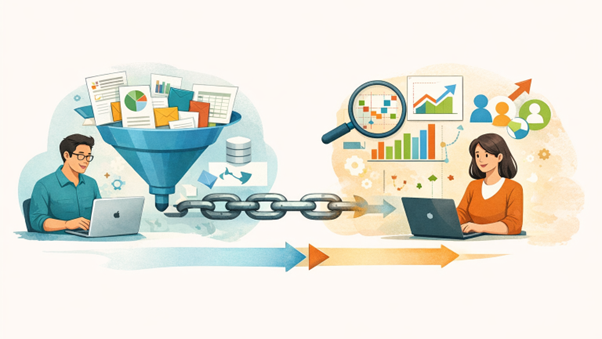
In modern enterprises, information technology systems often evolve in a fragmented manner across departments and standalone applications. This situation leads to data silos, making data management and operations inefficient. Seamless system integration is not merely about connecting applications; it ensures that operational processes are executed consistently, accurately, and efficiently.
According to insights from StackGo, when systems are not properly integrated, enterprises commonly face the following challenges:
- Excessive manual processing due to fragmented data.
- Slow and inaccurate decision-making caused by inconsistent information.
- Limited ability to optimize operations, especially across cross-functional workflows.
As a result, seamless system integration is no longer a competitive advantage—it has become a fundamental requirement for maintaining operational effectiveness and data-driven decision-making.
Understanding Seamless System Integration and How It Differs from Traditional Integration
What Is Seamless Integration?
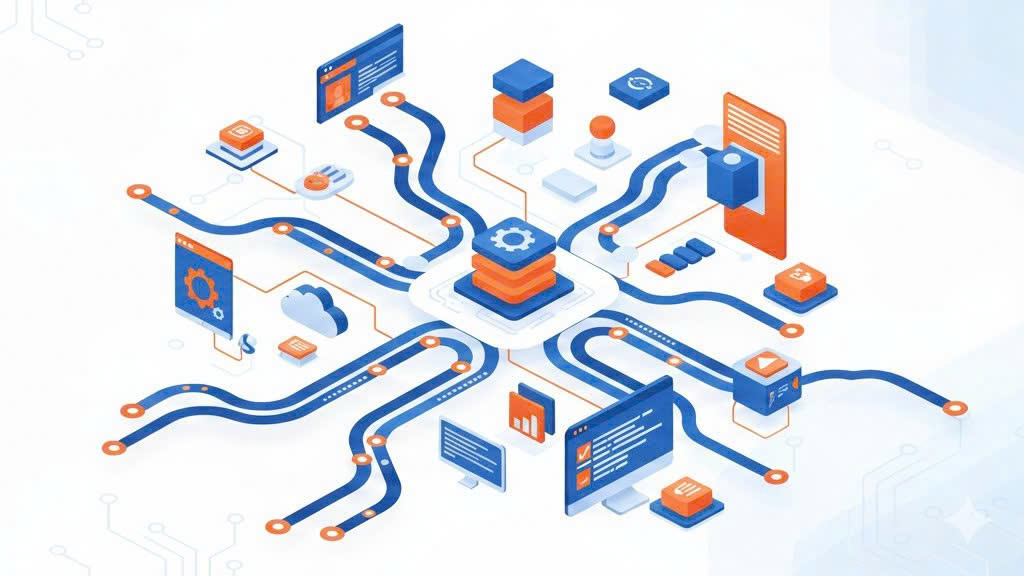
Seamless system integration refers to the ability to connect applications, data, and business processes within an enterprise in a continuous and uninterrupted manner. Unlike traditional integration approaches that focus primarily on technical connectivity, seamless integration encompasses three core dimensions:
- People: IT and business teams collaborate under a shared strategic roadmap.
- Processes: Data is standardized, and governance policies are consistently enforced.
- Technology: API-first platforms, middleware, iPaaS solutions, and hybrid-cloud architectures are adopted to ensure flexibility and scalability.
Benefits Beyond IT
Implementing seamless integration delivers tangible benefits across the organization, including:
- Improved operational efficiency: reduced manual errors and faster internal processes.
- More accurate data-driven decisions: synchronized, real-time data supports marketing, sales, and finance teams.
- Enhanced customer experience: unified customer information enables consistent and seamless interactions across channels.
Data as the Core of a Unified IT Landscape
Data Silos and Their Limitations
According to Symtrax, when data remains fragmented across systems, enterprises struggle with:
- Consolidated reporting and holistic analysis, leading to poorly informed decisions.
- Limited personalization in marketing and customer engagement.
- Inaccurate forecasting and reduced competitiveness.
A Data-First Approach
A seamless system integration strategy must place data at the center, enabling organizations to:
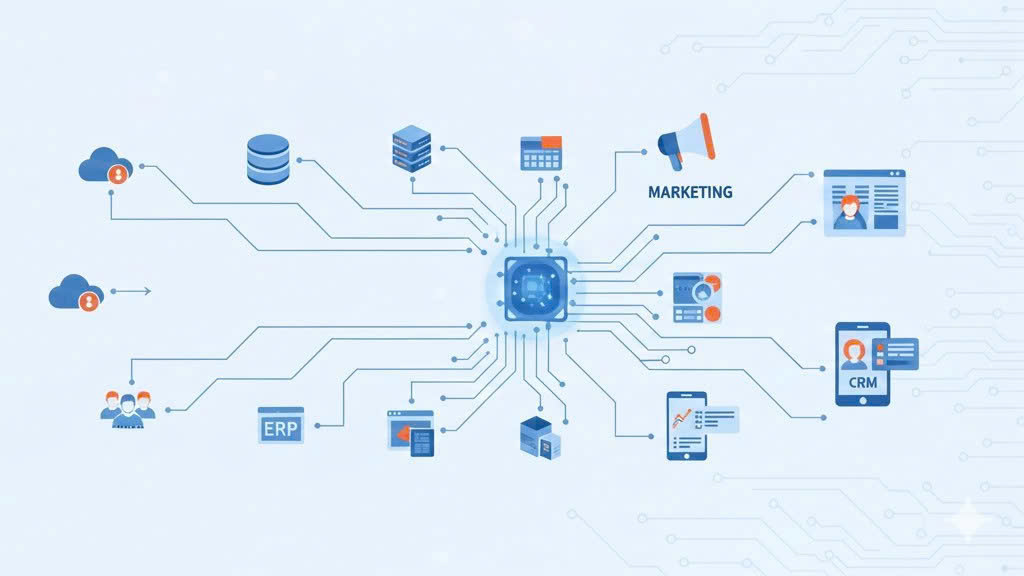
- Synchronize data across ERP, CRM, and marketing automation platforms.
- Deliver real-time insights to support critical decisions.
- Optimize operational processes through data-driven automation.
The Impact of System Integration on Marketing and Customer Experience
The Convergence of Individual and Enterprise Customers
The boundary between individual and enterprise customers is increasingly blurred. According to IMD, organizations need end-to-end data visibility to:
- Manage omnichannel customer journeys effectively.
- Analyze customer behavior and continuously optimize experiences.
How Integration Supports Marketing and CRM
Seamless integration synchronizes data from CRM, sales systems, and marketing automation platforms, allowing organizations to:
- Personalize marketing messages with greater accuracy.
- Improve the effectiveness of campaigns and customer engagement initiatives.
- Increase conversion rates and overall customer satisfaction.
Core Pillars for Building Sustainable Seamless System Integration
Technology
- API-first architecture: enables flexible connectivity and scalability.
- Middleware and iPaaS: provide standardized integration layers and reduce operational risk.
- Cloud and hybrid environments: enhance scalability, resilience, and security.
Processes
- Standardization of data and operational workflows.
- Strong governance frameworks to ensure data quality and compliance.
People
- Close collaboration between IT and business teams aligned around a shared integration roadmap.
- Digityze Asia plays the role of a technical and creative bridge, supporting enterprises in implementing seamless integration effectively.
From System Integration to Meaningful Digital Transformation
Digital transformation is not simply about adopting new technologies; it begins with system architecture and the ability to connect applications seamlessly. A unified system enables enterprises to:
- Fully leverage internal data assets.
- Accelerate innovation and improve operational performance.
- Reduce risks associated with deploying new technologies.
Partnering with a technical and creative agency such as Digityze Asia helps organizations define an integration roadmap, select suitable technologies, and execute integration initiatives efficiently – optimizing costs while maximizing data value.
Conclusion
Seamless system integration is a long-term organizational capability, not a short-term project. Enterprises should:
- Assess their current IT landscape holistically.
- Develop a clear and structured integration roadmap.
- Collaborate with experienced consulting partners to ensure technical excellence while unlocking creative value in digital transformation.
Contact Digityze Asia to explore seamless system integration solutions that optimize data utilization, enhance operational efficiency, and support sustainable growth in the digital era.