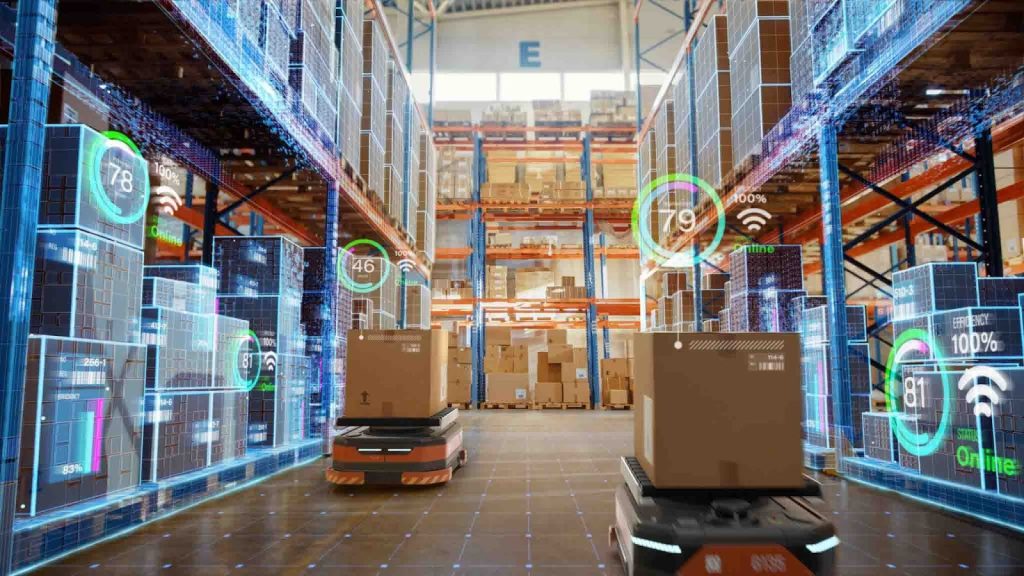
In the era of rapid e-commerce expansion, the definition of “speed” has fundamentally shifted. Customers no longer tolerate week-long delivery windows. Simultaneously, rising material costs and labor shortages are forcing businesses to scrutinize every penny spent. This creates a critical dual challenge for modern enterprises: How to move faster while wasting less?
The answer lies in Supply Chain Technology. However, true mastery isn’t achieved by simply purchasing software; it requires a holistic digital transformation that creates total visibility and agility. Let’s dive deep into how technology is reshaping the logistics landscape to drive operational excellence.
Why Technology is the “Backbone” of the Modern Supply Chain
Before discussing specific tools, we must address the market context. As industry experts from Penske Logistics note, we are living in the age of the “Amazon Effect.” Consumers now demand real-time tracking and practically immediate delivery.
If your organization still relies on manual spreadsheets or disjointed legacy systems, you are exposed to significant risks:
- Lack of Visibility: The inability to track inventory location and status in real-time.
- Human Error: Manual data entry leading to inventory discrepancies and lost shipments.
- Slow Response Times: Inability to adapt quickly to supply chain disruptions.
Technology is no longer just a support function; it is the strategic backbone that ensures transparency and continuity in the flow of goods.
5 Key Technologies to Optimize Operations
Synthesizing insights from leading industry trends, here are five technological pillars that allow businesses to transform their supply chains:
1. Process Automation & Robotics
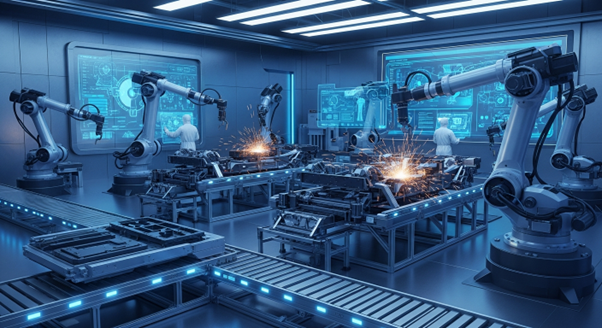
Automation is the first step in eliminating repetitive, error-prone tasks.
- In the Warehouse: Autonomous Mobile Robots (AMRs) significantly increase picking speeds compared to manual labor.
- In Administration: Robotic Process Automation (RPA) handles invoicing and documentation, reducing administrative errors. It also enables automated reordering when inventory levels hit specific thresholds, ensuring continuity.
2. IoT and Real-Time Monitoring

Integrating Internet of Things (IoT) sensors and RFID tags provides 24/7 asset visibility.
- The Benefit: Beyond simple GPS location, advanced sensors monitor environmental conditions (temperature, humidity, shock) inside the container—critical for pharmaceuticals and perishables.
- The Result: Enhanced data accuracy and strict quality control throughout the transit journey.
3. Big Data Analytics

Data is the new oil of logistics, but raw data is useless without analysis.
- Demand Forecasting: AI algorithms analyze historical sales data and seasonal trends to predict inventory needs accurately, preventing both overstocking and stockouts.
- Route Optimization: Modern TMS (Transportation Management Systems) analyze traffic and weather patterns to suggest the most efficient delivery routes, saving fuel and time.
4. Cloud Computing

Cloud technology democratizes data access. It serves as the foundation for connecting suppliers, carriers, and customers into a single ecosystem. This ensures that information flows in real-time, eliminating communication latency between departments.
5. Communication & Integration
As highlighted by the University of the Cumberlands, technology breaks down information silos. A well-integrated ERP (Enterprise Resource Planning) system ensures that the Sales team has live visibility of warehouse stock, while Finance sees proof of delivery instantly. This seamless integration is key to operational speed.
Solving the “Loss” Equation
“Shrinkage” (loss of inventory due to theft, error, or damage) is a major pain point for supply chain managers. Technology addresses this through three lines of defense:
- Total Visibility: When every item is tracked via RFID or barcode, the opportunity for goods to “disappear” without a trace vanishes. Systems can alert managers immediately if a shipment deviates from its planned route.
- Reduced Handling Damage: Automation and robotics handle goods with consistent precision, significantly lowering damage rates caused by manual handling or improper stacking.
- Accurate Inventory Control: Moving away from periodic manual counts to real-time cycle counting via WMS (Warehouse Management System) ensures that physical stock matches digital records at all times.
Strategic Advice for Implementation
Adopting Supply Chain Technology is a journey, not a destination. Common hurdles include initial costs and the complexity of integrating with legacy systems.
To succeed, businesses should:
- Identify Specific Pain Points: Do not adopt technology for the sake of trends. Focus on solving specific problems (e.g., high shrinkage, late deliveries, or disjointed data).
- Start Small, Think Big: Begin by digitizing warehouse data before advancing to predictive AI models.
- Choose the Right Partner: Look for a solution provider who understands operational workflows and system integration, not just software sales.
Conclusion
Technology is essential for survival in the competitive global market. Applying the right solutions—such as IoT, Big Data, and Automation—helps businesses not only reduce loss but also increase speed, ultimately elevating customer experience and profitability.
At Digityze Asia, we believe that technology works best when it is tailored to your specific business model. Combining technical expertise with a practical understanding of the market, we are ready to listen and accompany you in solving your most complex operational challenges.